
How TV Taught Us to Expect More
Television has long been a mirror of how people live, think, and consume. From family routines built around fixed broadcast schedules to today’s on demand, mobile first culture, its evolution closely tracks changing consumer behaviour and rising expectations.
From Fixed Schedules to Flexibility
In its early years, television was rigid. Free to air broadcasting offered limited channels, scheduled programming, and no audience control. Families gathered at set times to watch whatever was on. Convenience was secondary to routine, much like early banking, where physical branches and set hours shaped the customer experience.
Cable and satellite TV later expanded choice through more channels and premium content. However, viewing was still scheduled and location dependent. Audiences had more variety, but little real freedom similar to a banking era with more products, yet limited access.
Technology Shifts the Balance
The arrival of digital TV and DVRs introduced time shifting. Viewers could pause, record, and watch later. For the first time, television began adapting to people’s lives rather than the other way around. This shift mirrored early digital banking innovations such as ATMs and electronic channels, which gave customers greater control and flexibility.
Streaming Changes Everything
Widespread internet access transformed television completely. Platforms like YouTube and Netflix removed schedules, multiplied viewing devices, and made convenience the norm. Streaming services soon began producing original content, personalising recommendations, and releasing entire seasons at once, putting viewers fully in control of what, when, and how they watched.
This on demand mindset reshaped expectations across industries. Today’s consumers want experiences designed around them.
Where We Are Today
Modern media is fragmented across platforms, mixing subscriptions, ad supported models, and renewed interest in live events. Viewers expect choice and will switch platforms to get it.
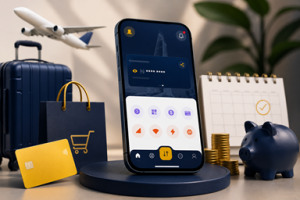
The same applies to financial services. Customers now expect seamless digital access that fits naturally into daily life. Solutions like the FirstMobile App allow users to manage transactions, make payments, and even pay TV and streaming subscriptions anytime, anywhere – reflecting the same flexibility that streaming popularised.
Aligning with the digital shift, FirstBank has launched nine Digital Xperience Centres (DXC) strategically located across the country to drive 24/7 digital banking experience for our customers.
Click here to find a DXC near you.